🎛️ Boschmann Equalizer (EQX-75PRO)
Use when you need to fine‑tune sound quality.
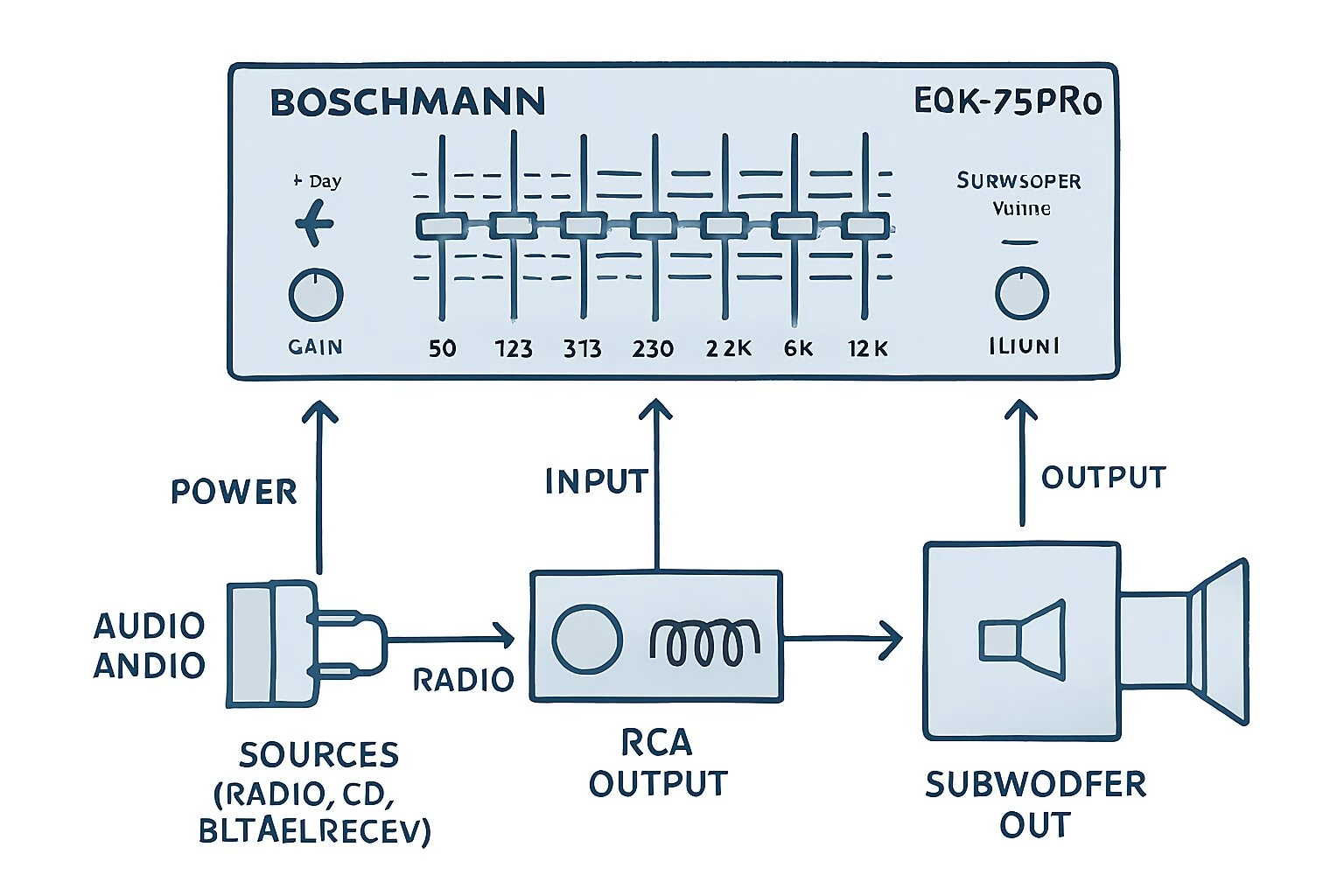
- Adjusts tone balance across 7 frequency bands (bass, mids, treble).
- Ideal for car audio or small PA setups where you want clarity and control.
- Best for shaping sound after the source (radio, Bluetooth, mixer) but before amplification.
- Example: Matatu with 4 door speakers + subwoofer → EQ helps balance vocals vs bass.
🎚️ Audiobank Crossover (AAB-5DXi)
Use when you need to split frequencies to different speakers.
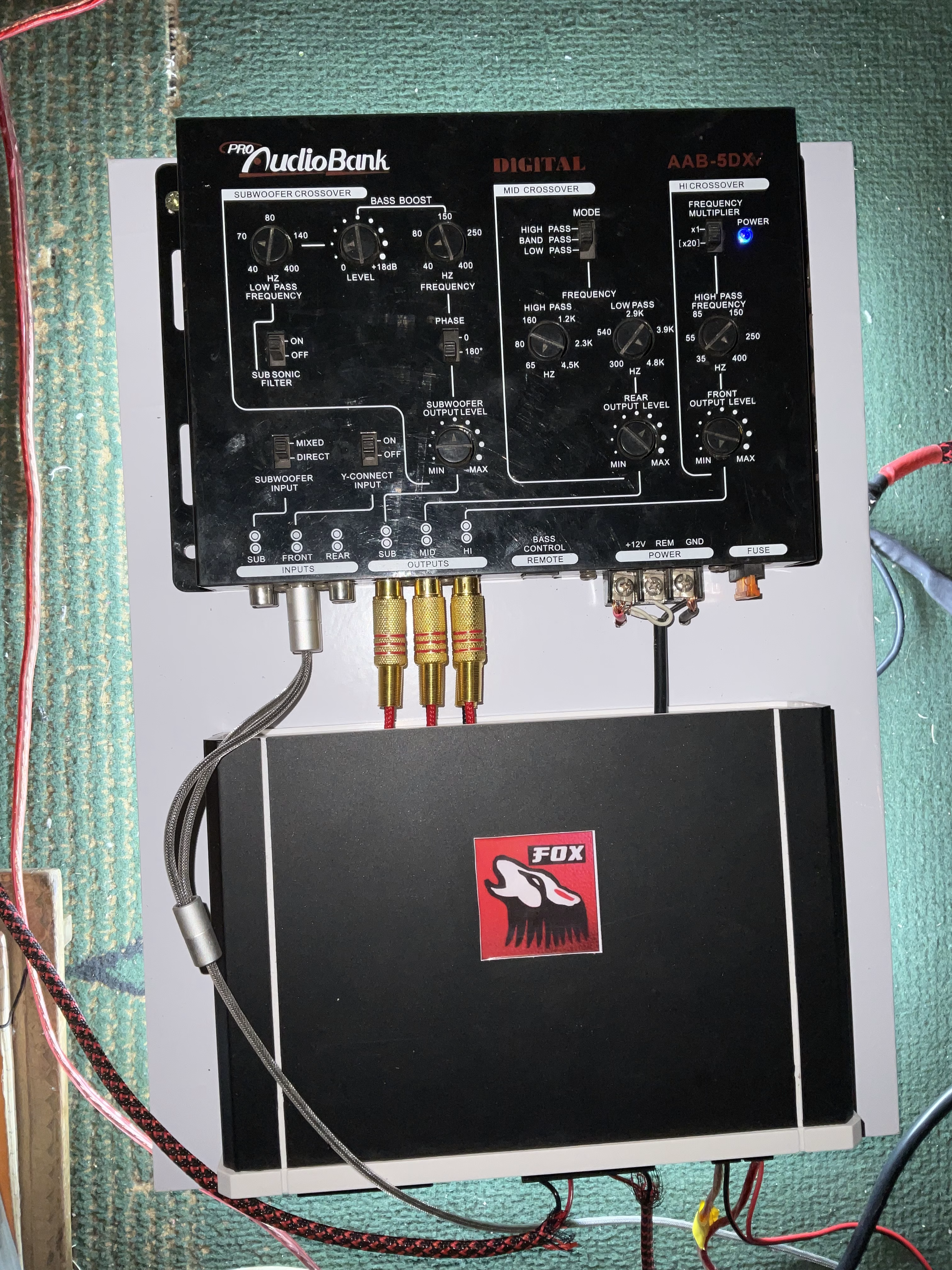
- Divides audio into subwoofer, mid‑woofer, bass mid‑high, treble, super tweeter.
- Prevents overlap and protects speakers from playing frequencies they can’t handle.
- Best for multi-driver setups (systems with subs, mids, tweeters all separate).
- Example: Mobile sound rig with subs, mids, tweeters → crossover ensures each driver gets the right signal.
🔗 Using Both Together
Use both when you want maximum control and protection.
- Signal flow:
Source → Boschmann Equalizer → Audiobank Crossover → Amplifiers → Speakers/Subs - EQ shapes the overall sound balance (tone control).
- Crossover ensures each speaker only plays its correct range.
- Perfect for professional setups (matatus, event rigs, mobile sound) where you need both clarity and speaker safety.
- Example: Event sound system → EQ for tuning to venue acoustics, crossover for routing subs/mids/highs.
⚡ Quick Decision Guide
- Small system (2–4 speakers, 1 sub) → Boschmann EQ only.
- Multi-driver system (subs, mids, tweeters) → Audiobank crossover only.
- Large or pro system (matatu, event rig, PA) → Use both EQ + crossover for best results.
🔗 Signal Flow: EQ + Crossover Setup
- Source (Radio / CD / Bluetooth / Mixer)
→ Sends raw audio signal. - Boschmann EQX-75PRO Equalizer
→ Shapes the overall tone (bass, mids, treble).
→ Adjusts clarity and balance before splitting. - Audiobank AAB-5DXi Crossover
→ Splits the shaped signal into 5 bands:- Subwoofer (deep bass)
- Mid-woofer (low mids)
- Bass mid-high (upper bass)
- Treble (highs)
- Super tweeter (sparkle)
- Amplifiers
→ Each band routed to its dedicated amplifier channel.
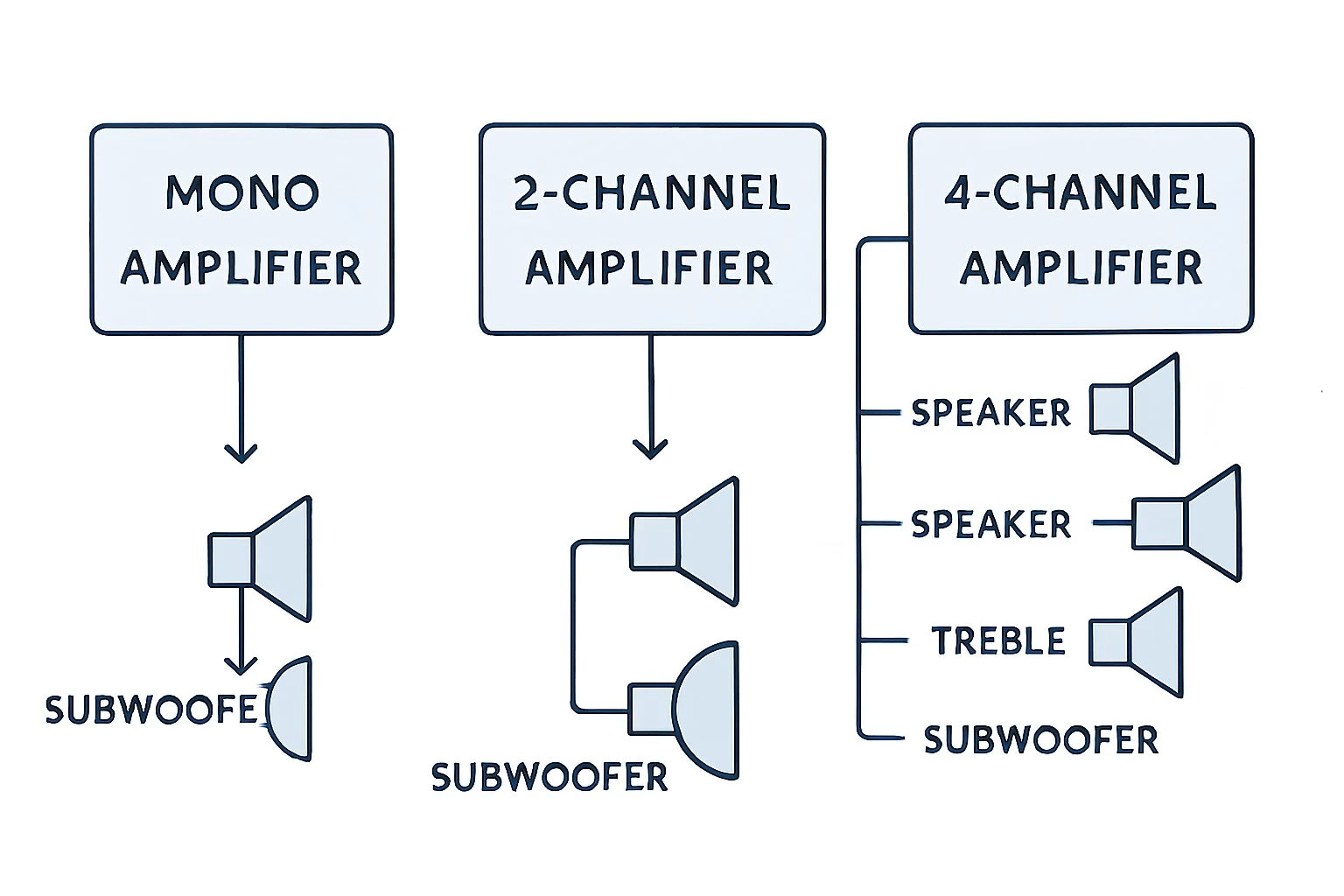
→ Example: mono amp for sub, 2-channel for mids, 4-channel for highs. - Speakers/Subs
→ Each driver receives only the frequencies it’s designed for.
→ Result: clean, powerful, distortion-free sound.
⚡ Why This Combo Works
- EQ = fine-tunes the character of the sound.
- Crossover = protects speakers and ensures accuracy.
- Together = professional-grade clarity + safety.