Understanding Crossovers in Sound Systems
Crossovers are an important part of any sound system. They help divide audio signals into different frequency ranges so that each speaker plays only what it is designed for. This makes the sound clearer, protects your equipment, and ensures the audience enjoys the best quality.
🔌 Passive vs Active Crossovers
Passive Crossovers
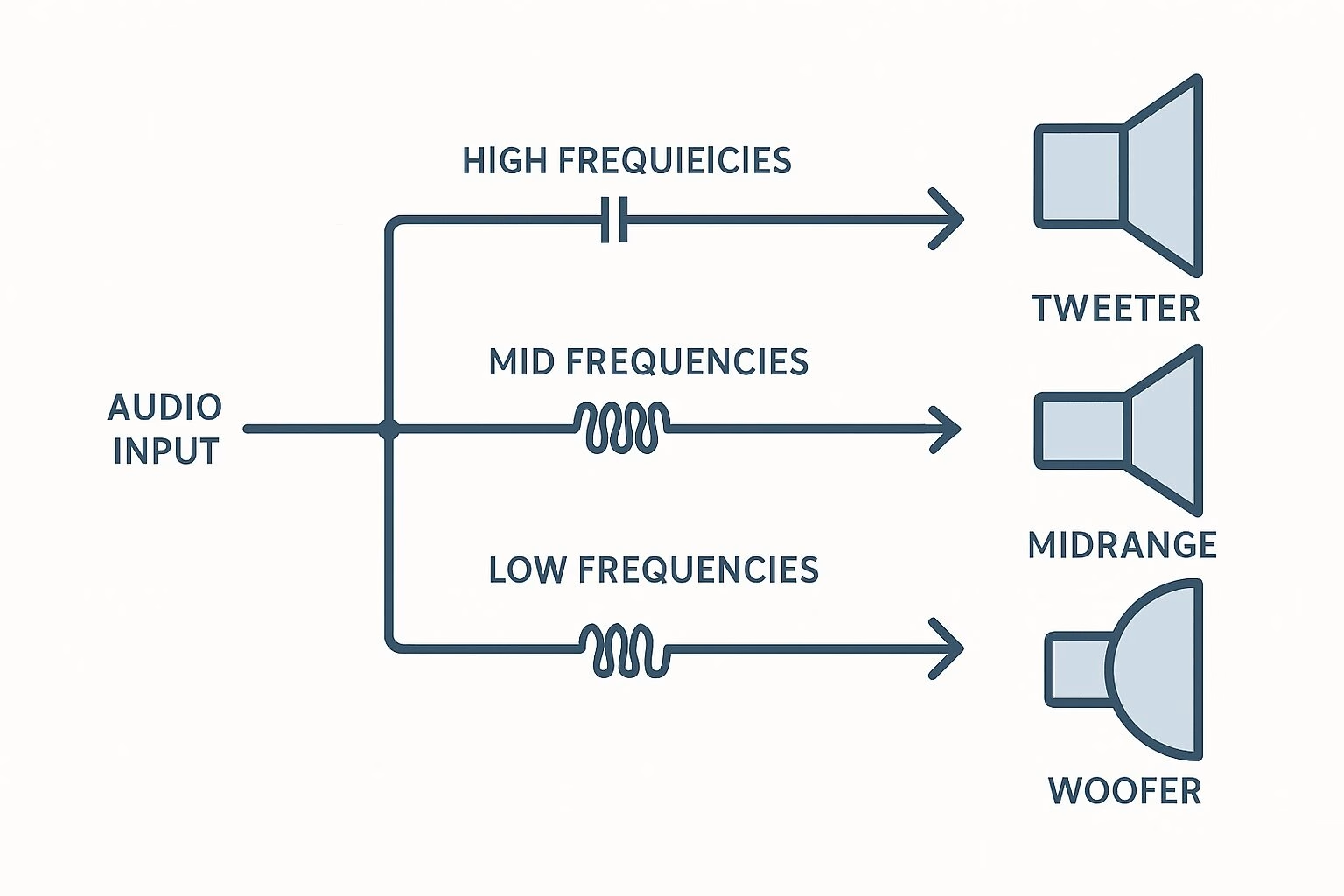
- What they are: Circuits made of resistors, capacitors, and coils that split sound frequencies after the amplifier.
- Where used: Inside most home speakers, car speakers, and some small PA systems.
- Advantages: Simple, no extra power needed, affordable.
- Limitations: Less flexible, can waste amplifier power, fixed settings.
Active Crossovers
- What they are: Electronic devices that split sound frequencies before the amplifier.
- Where used: Professional sound systems, live events, large venues.
- Advantages: More control, adjustable settings, efficient use of amplifier power.
- Limitations: Require power supply, cost more, need technical setup.
🎚️ Types of Crossovers
Passive Types
- 2-way crossover: Splits sound into highs and lows (tweeter + woofer).
- 3-way crossover: Splits sound into highs, mids, and lows (tweeter + midrange + woofer).
Active Types
- 2-way active crossover: Sends highs to one amp and lows to another.
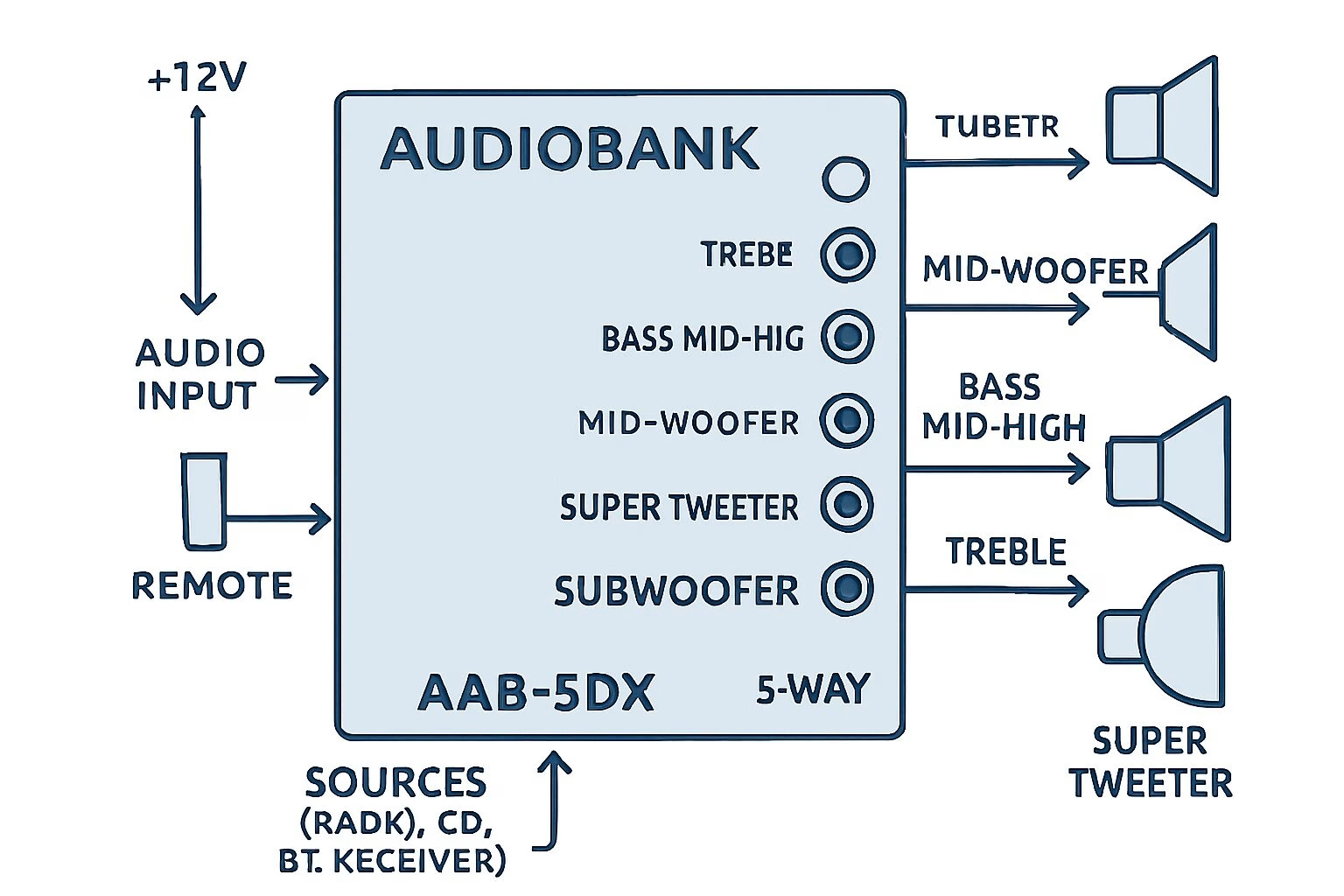
- 3-way active crossover: Sends highs, mids, and lows to separate amps.
- 4-way crossover: Adds sub-bass for very large systems.
📊 Crossover Filter Types
- Butterworth: Smooth response, common in many systems.
- Linkwitz-Riley: Very popular in professional setups, gives balanced sound at crossover point.
- Bessel: Focuses on keeping sound phase natural, good for vocals.
📈 Crossover Slopes
The slope tells how sharply the crossover cuts off unwanted frequencies.
- 6 dB per octave: Gentle slope, simple but less precise.
- 12 dB per octave: Steeper, more control.
- 24 dB per octave: Very sharp, common in pro audio.
✅ Why Crossovers Matter
- Protect speakers from playing frequencies they cannot handle.
- Improve clarity by letting each speaker focus on its range.
- Allow better control in live sound setups.
- Make bass tighter and highs cleaner.
💡 Extra Tips
- For small setups (like home or car audio), passive crossovers are usually enough.
- For professional events, active crossovers give you flexibility and control.
- Always match crossover settings to your speakers and amplifiers.
- Experiment with slopes and filter types to find the sound that works best for your venue.