
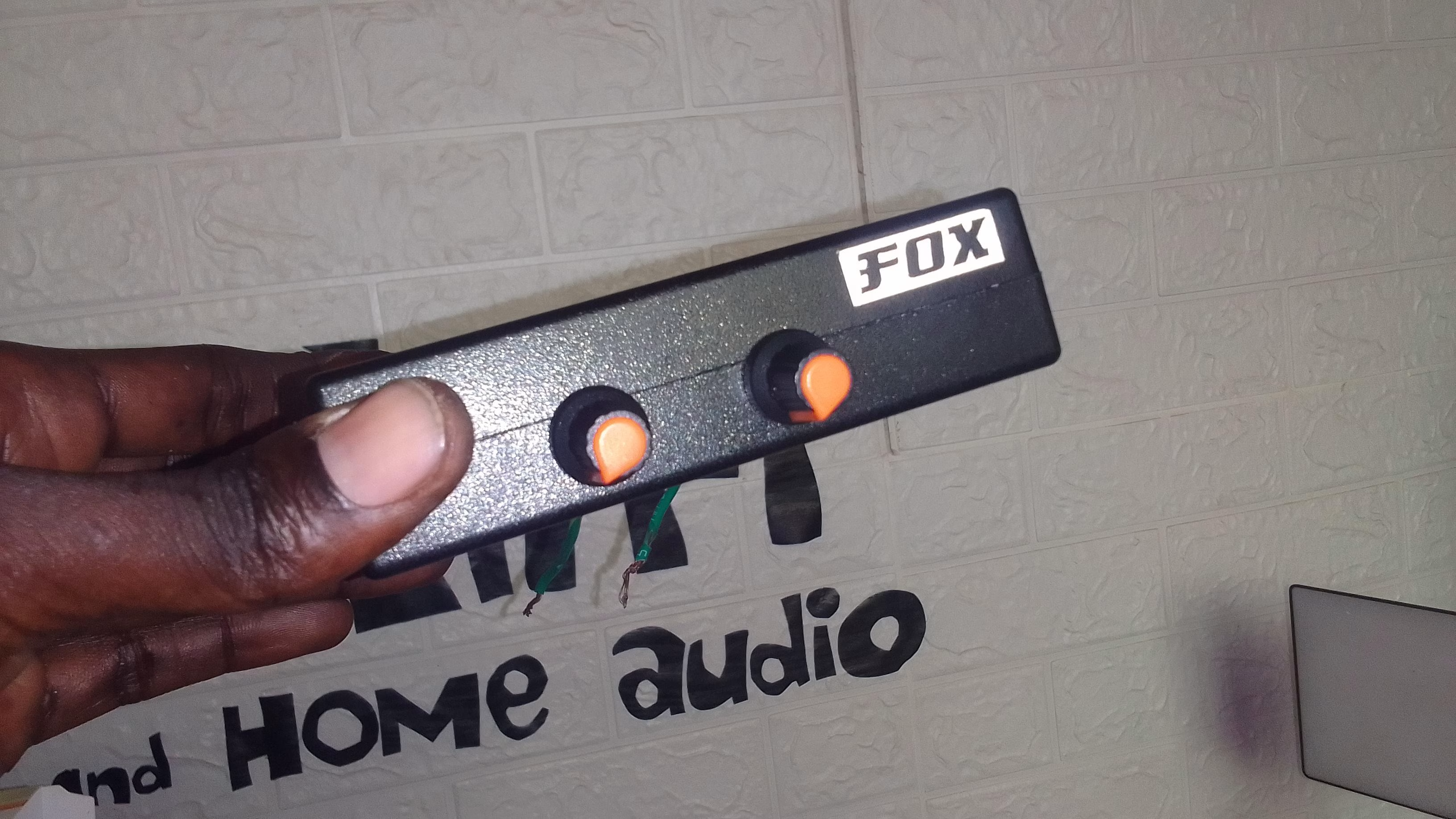

A preamplifier (preamp) is an electronic device that boosts weak audio signals (like those from microphones, guitars, or turntables) to a stronger level suitable for further processing or amplification. It sits at the very start of the audio chain, before the main power amplifier.
🎛️ What a Preamplifier Does
- Signal Boosting: Converts low-level signals into line-level signals strong enough for a power amplifier.
- Noise Reduction: By amplifying early, it reduces the risk of noise and distortion later in the chain.
- Impedance Matching: Ensures compatibility between source devices (like microphones or pickups) and amplifiers.
- Tone Shaping (optional): Some preamps include EQ or filters to adjust sound before amplification.
⚖️ Types of Preamplifiers
| Type | Use Case |
|---|---|
| Microphone Preamp | Boosts mic signals for recording or live sound. |
| Instrument Preamp | Used with guitars, basses, or keyboards to match impedance and boost. |
| Phono Preamp | Required for turntables to amplify and equalize vinyl signals. |
| Home Theater Preamp | Manages multiple sources, volume, and routing before power amps. |
🔗 Where It Fits in the Signal Chain
Source → Preamplifier → Power Amplifier → Speakers
- Example:
- 🎤 Microphone → Mic Preamp → Mixer → Power Amp → PA Speakers
- 🎸 Guitar → Instrument Preamp → Effects → Power Amp → Cabinet
- 🎶 Turntable → Phono Preamp → Receiver → Power Amp → Home Speakers
⚠️ Why It’s Important
- Without a preamp, weak signals sound noisy or distorted.
- It ensures your power amplifier receives a clean, strong signal.
- In professional setups (like your PA or matatu rig), preamps are critical for clarity and headroom.